The Shipping Forecast.
Conditions and outlook for Australian importers and customs brokers.
Shipping software for customs brokers: what to look for in 2026
A practical comparison of customs brokerage software in Australia for 2026. Covers CargoWise, Expedient, EzyEntry, StarShipper, Clear.ai, Wove, and Cargonautix, with a checklist for evaluating options.
What is a bill of lading? Types, fields, and why it matters for customs
A bill of lading is a legal document issued by a carrier that acts as receipt, contract, and title. Learn the types, key fields, and how B/L data flows into Australian customs declarations.
Free Trade Agreements Australia: which FTA saves you the most on import duty?
Australia has 17 active Free Trade Agreements with over 30 countries. This guide covers every FTA, shows how much duty you can save, and explains the rules of origin catch that trips up most importers.
N10 import declaration: the complete field-by-field guide
Field-by-field guide to Australia's N10 import declaration. Covers consignment details, HS codes, valuation, FTA preferences, permits, and common mistakes that delay customs clearance.
Customs clearance in Australia: the 5-step process and timeline (2026)
How Australian customs clearance actually works: the 5 steps from import declaration to cargo release, typical 1–5 day timeline, and the document issues that cause most delays.
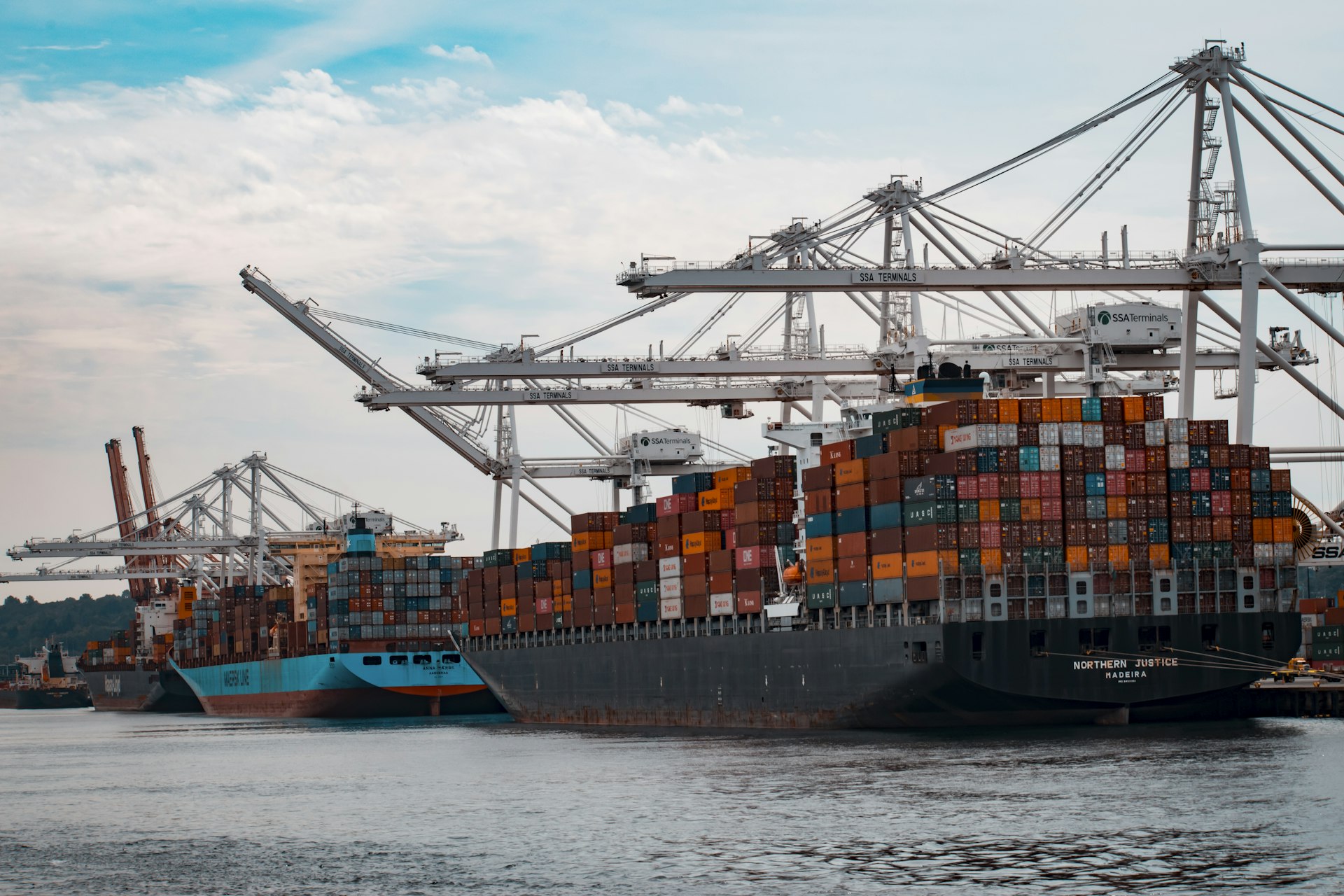
What documents do you need to import goods into Australia?
Complete guide to Australian import documentation. Covers commercial invoices, packing lists, bills of lading, certificates of origin, import permits, and biosecurity requirements for first-time importers.
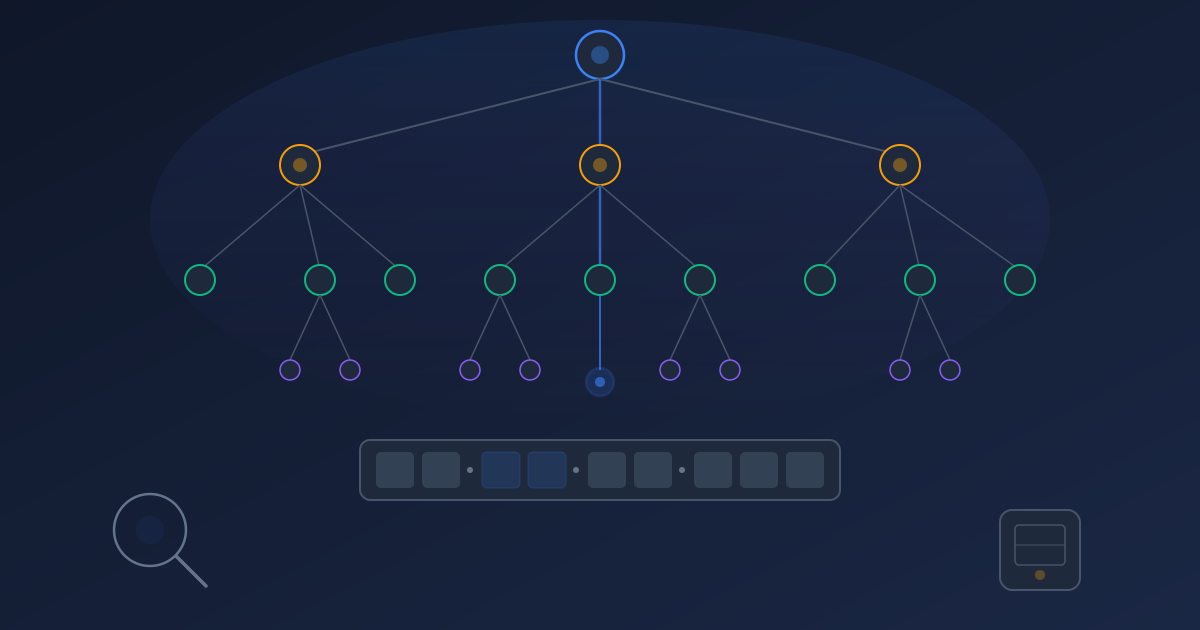
How to find the right HS code for your product
A practical guide to HS code classification for Australian imports. Covers the Harmonised System structure, General Interpretive Rules, common mistakes, and worked examples for electronics, clothing, and food.
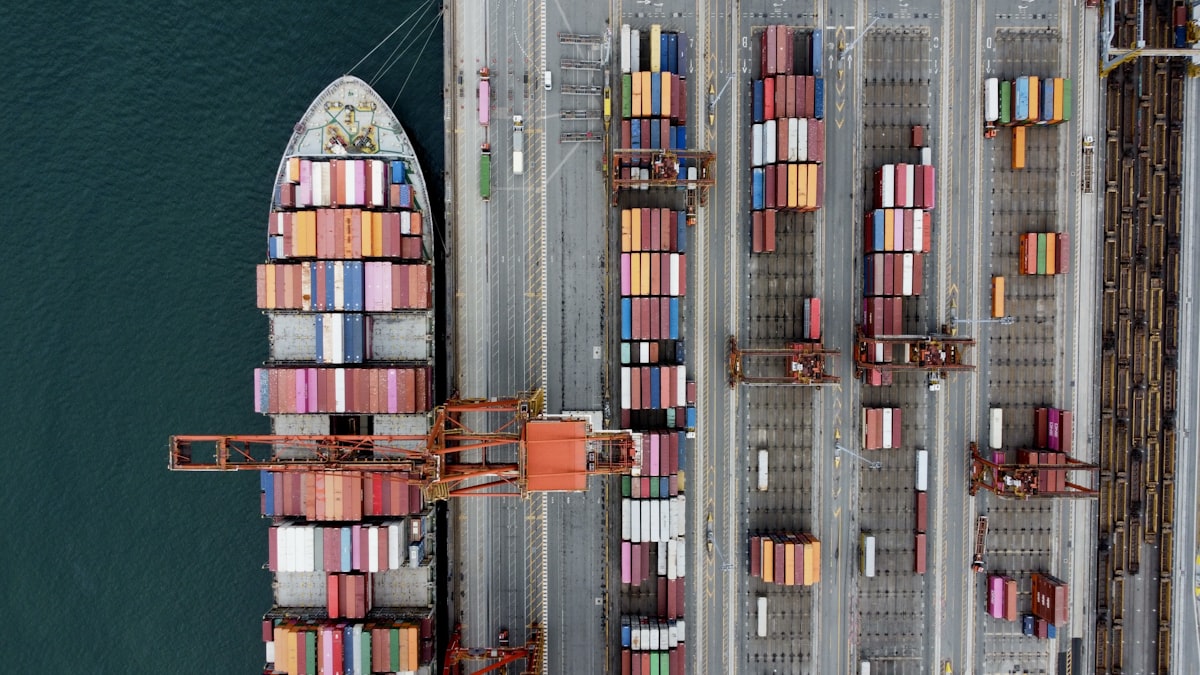
How to calculate import duty in Australia: a practical guide with worked examples
Step-by-step guide to calculating Australian import duty, GST, and landed costs. Covers duty rates, FTA savings, the $1,000 threshold, and real worked examples for common imports.
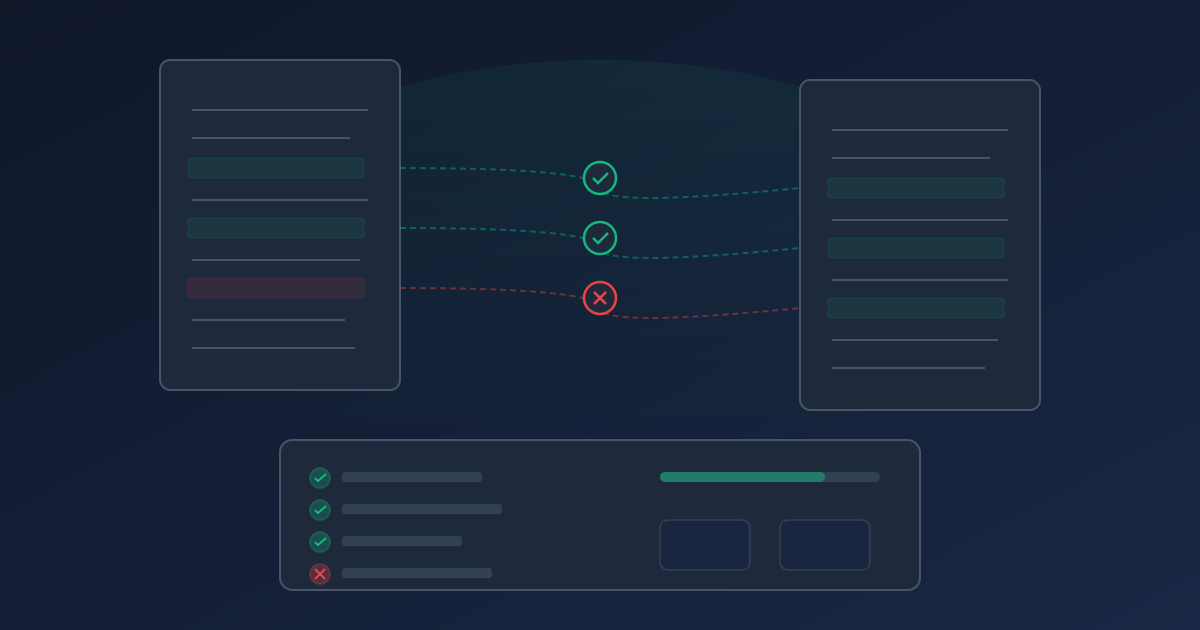
Cross-checking shipping documents before lodging: the 5 checks that catch costly mistakes
Container numbers, weights, port codes, party names, and values. Five cross-checks every freight forwarder should run before lodging a customs entry.
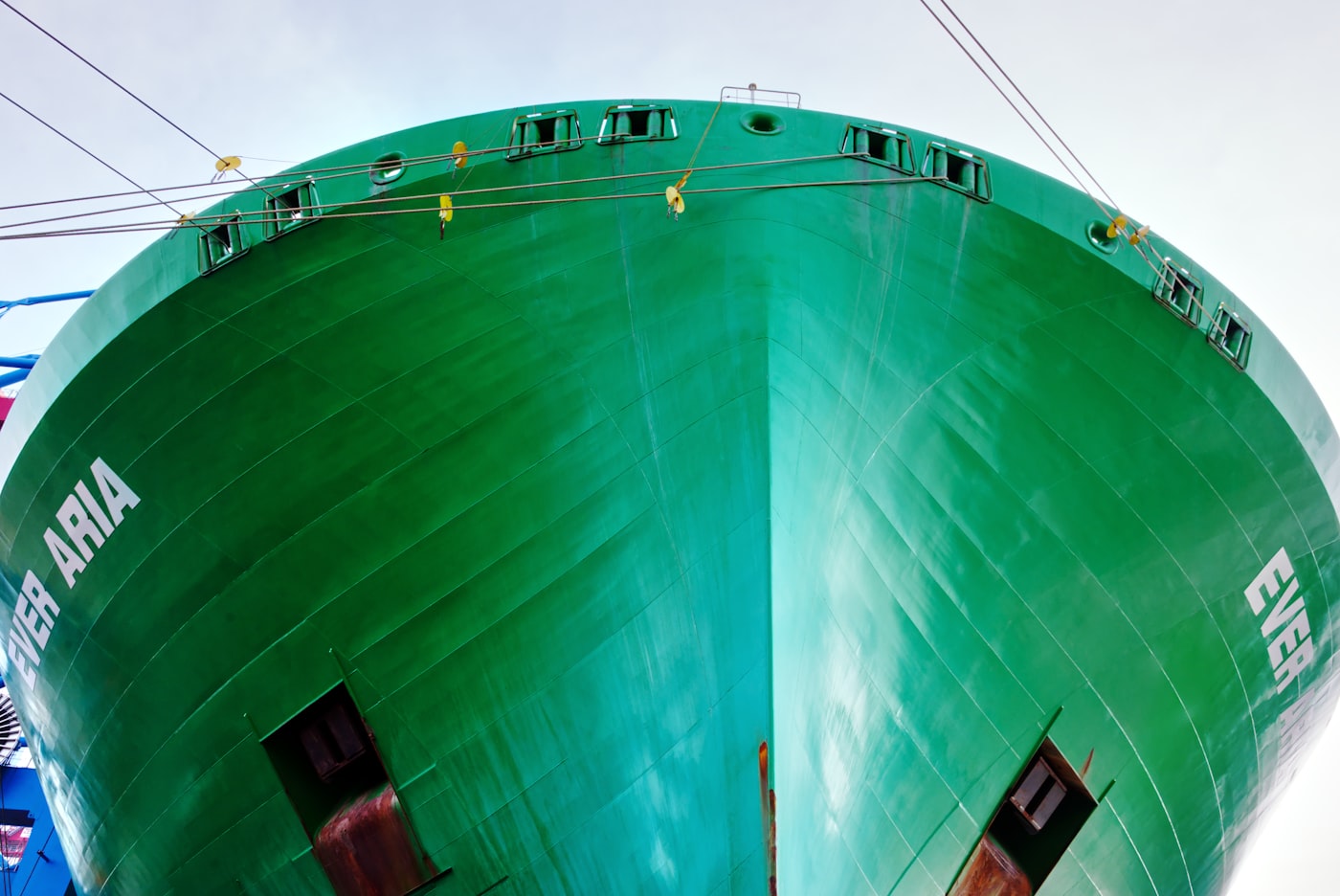
Ocean freight tracking: how container tracking actually works
How ocean container tracking works in practice. Covers AIS vessel positions, carrier milestones, terminal events, and why ETAs are sometimes wrong. A practical guide for importers and freight forwarders.
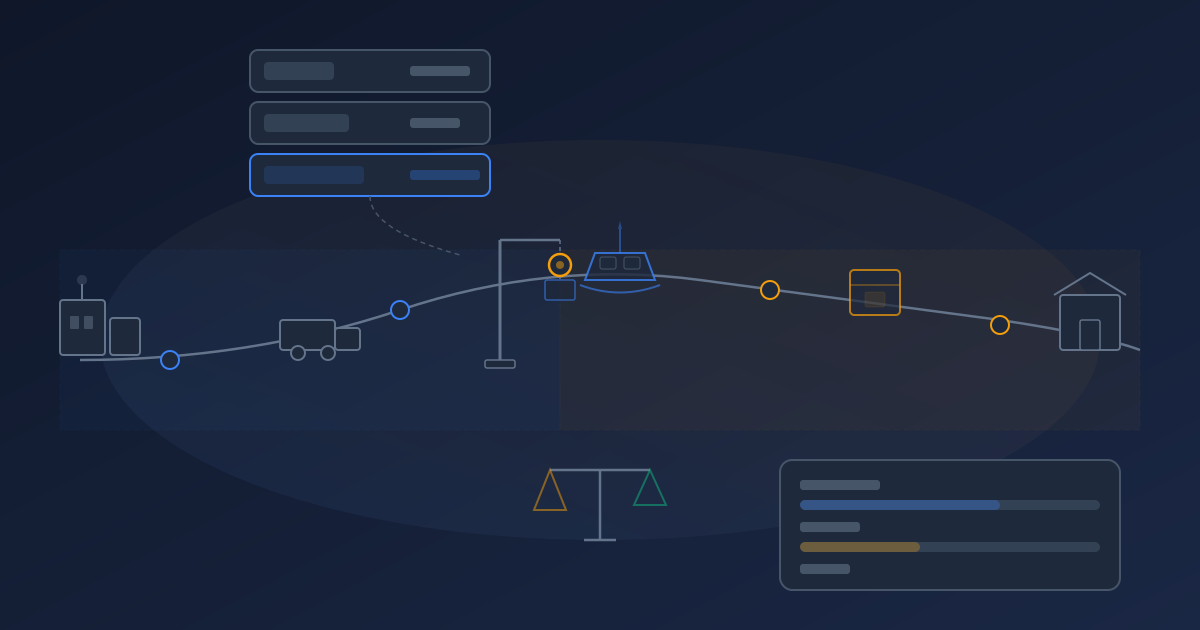
Incoterms 2020 for Australian importers: which terms affect your duty calculation?
How Incoterms affect Australian import duty and GST calculations. Covers FOB, CIF, EXW, and all 11 Incoterms with worked examples showing the duty impact of each.

How to read a commercial invoice for customs purposes
A practical guide to understanding commercial invoices for Australian imports. Covers key fields, what customs needs, common problems, and the difference between commercial and proforma invoices.
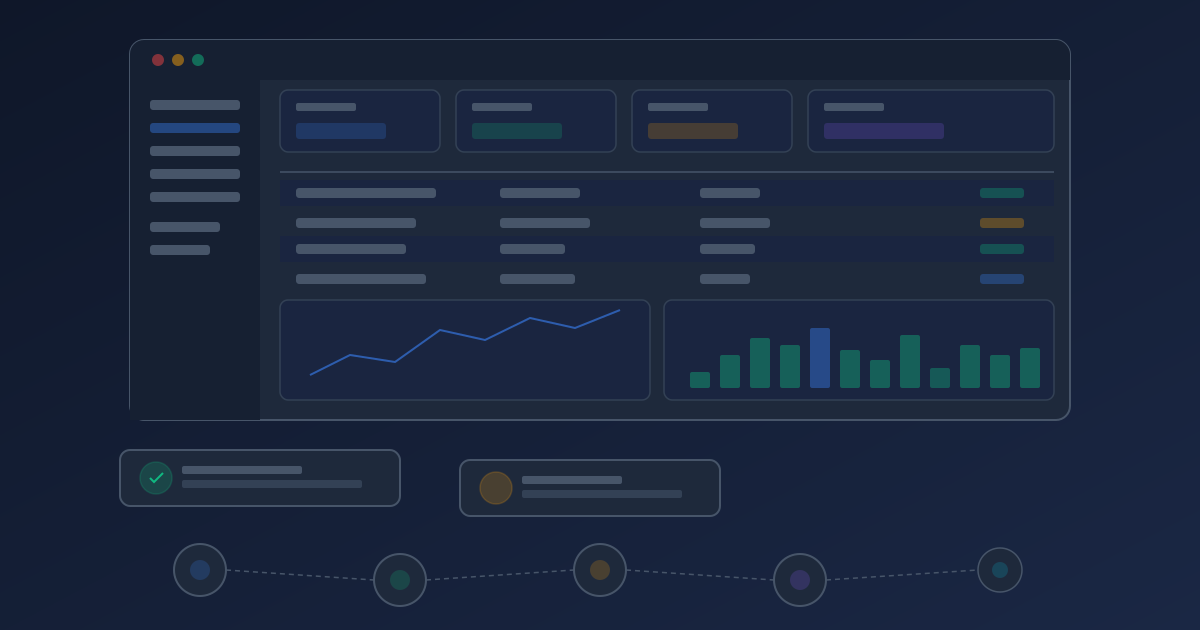
Freight forwarding software: what Australian forwarders actually need
A practical look at freight forwarding software options in Australia. What features matter, what's changed in 2026, and how to evaluate platforms for your operation.
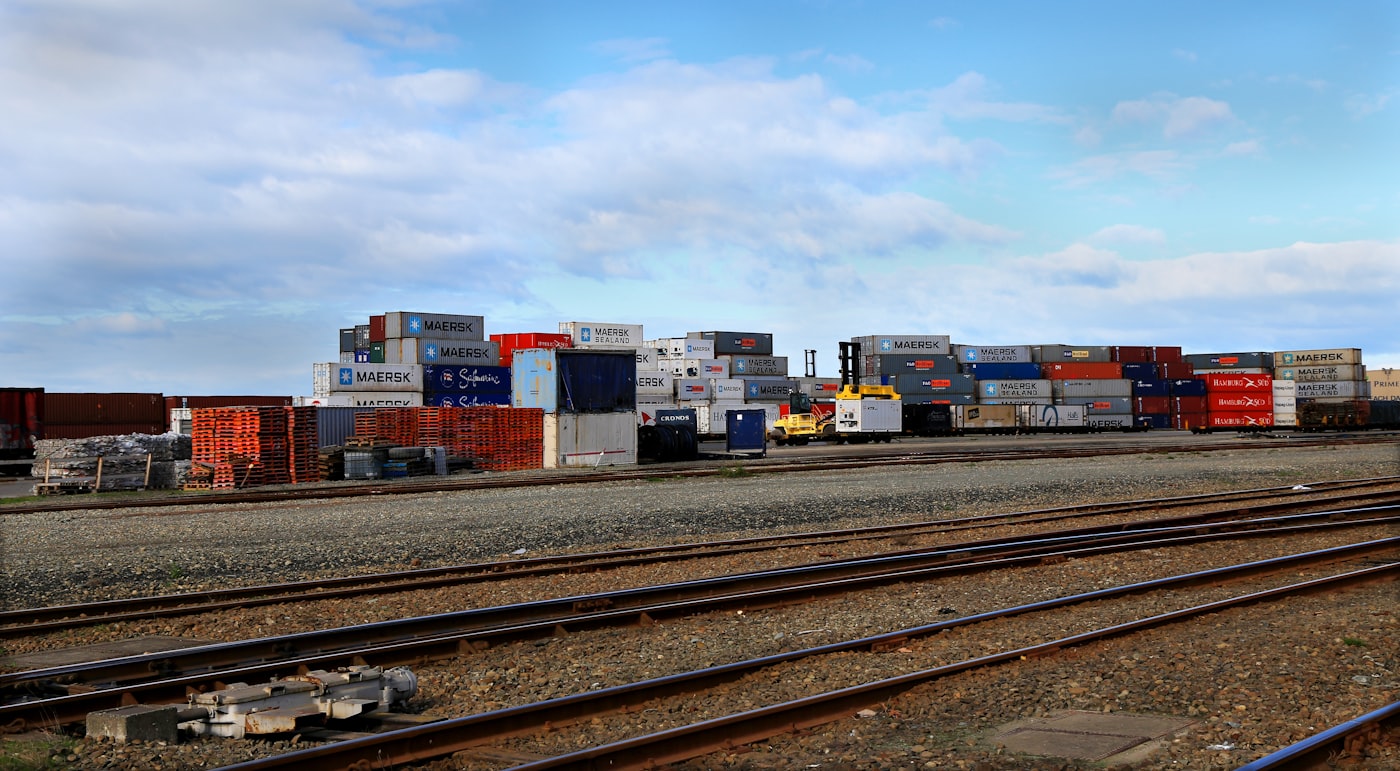
Australian import duty rates: the complete 2026 guide
Current Australian import duty rates by product category, including general rates, FTA preferential rates, anti-dumping duties, and the $1,000 de minimis threshold. Updated for 2026.